

-
Selling a residential property is a highly stressful, drawn-out process filled w
Selling a residential property is a highly stressful, drawn-out process filled with intense negotiations, endless paperwork, and constant uncertainty. After weeks of preparing the house and hosting open viewings, receiving a strong financial offer from an excited buyer feels like a massive victory. Both parties eagerly shake hands, sign the initial agreements, and begin preparing for the final transfer of ownership. However, this early celebration is frequently cut short when the buyer’s mortgage lender orders an independent structural survey of the property. A meticulous surveyor will inspect every single inch of the home, and they are specifically trained to look for hidden environmental threats that completely compromise the long-term integrity of the building’s foundation.
One of the most common reasons a property sale falls apart at the final hurdle is the presence of large, thirsty vegetation planted far too close to the exterior walls. When a family plants a tiny, decorative sapling right next to the front porch, they rarely consider how massive that organism will become after thirty years of continuous growth. As the canopy expands high into the sky, the underground root system must expand equally to anchor the weight and draw up enough water to sustain the massive structure. These thick, powerful roots exert immense hydraulic pressure as they grow, and they are easily capable of cracking solid concrete foundation blocks and destroying expensive underground drainage systems.
The structural survey specifically highlights these aggressive plants as major liabilities. If a surveyor finds a mature specimen growing within a few metres of the masonry, they will carefully examine the exterior brickwork for any signs of stepped cracking or noticeable subsidence. Even if the walls currently appear perfectly intact, the surveyor is legally obligated to warn the prospective buyer about the high probability of future damage. Lenders are incredibly risk-averse; if the survey report suggests that the surrounding vegetation poses a clear, ongoing threat to the physical stability of the house, the bank will often refuse to approve the mortgage until the hazard is completely resolved by the current owner.
This sudden complication puts the seller in a terrible negotiating position. The excited buyer, now frightened by the prospect of inheriting massive structural repair bills, will immediately demand a significant reduction in the final purchase price to cover the assumed risks. Alternatively, they may simply walk away from the deal entirely, forcing the seller to relist the property and start the exhausting process all over again. The beautiful, mature greenery that the seller thought was adding tremendous charm to the front garden suddenly becomes a severe financial liability that prevents them from moving on with their lives.
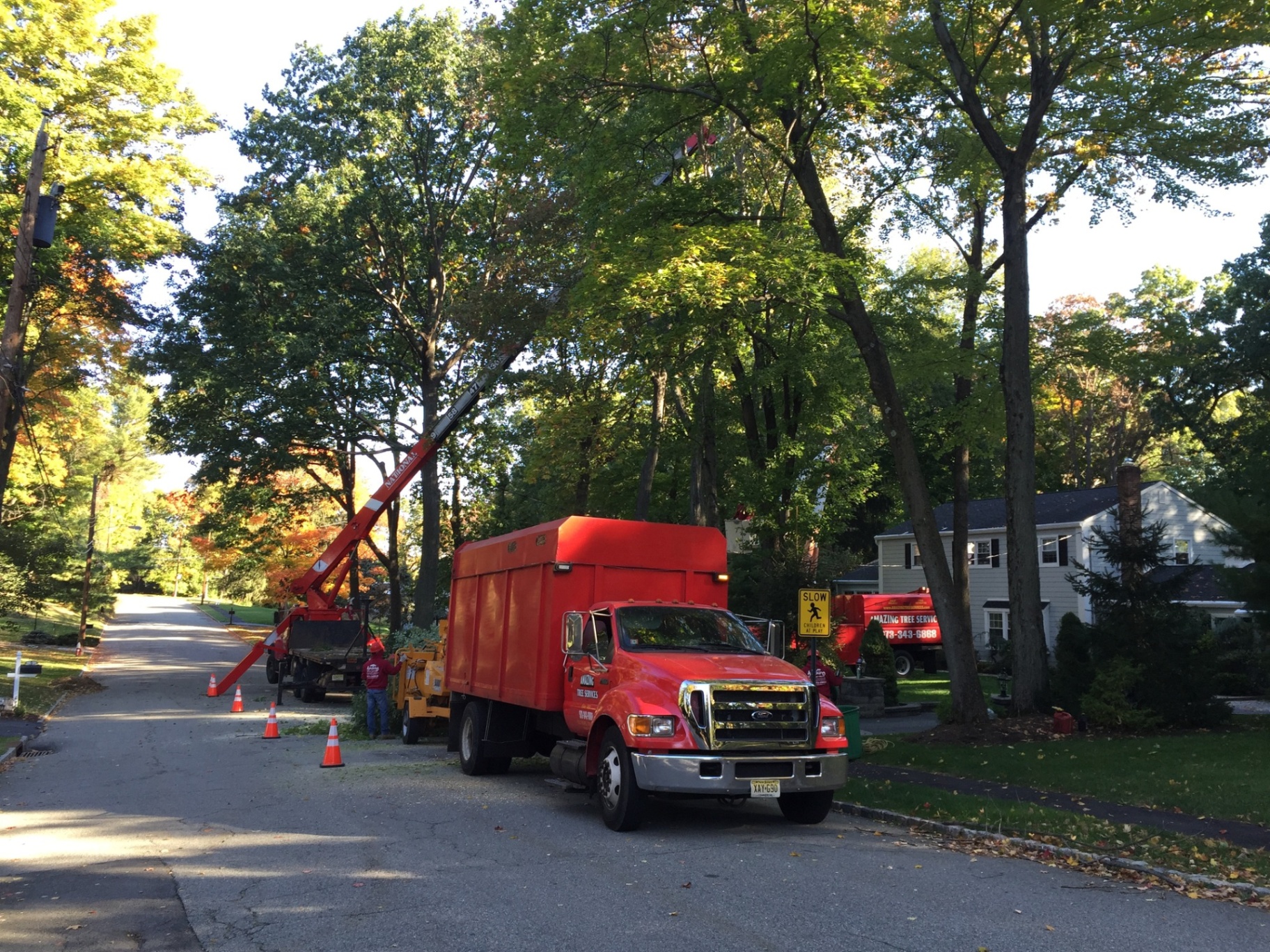
Resolving this stressful roadblock requires immediate, highly decisive action before the buyer loses interest. You cannot argue with a professional structural survey, but you can certainly eliminate the hazard they have identified. Searching for a reliable tree service company near me allows a seller to bring in technical experts who can quickly and safely manage the problematic growth. Depending on the severity of the situation and the specific species involved, the professionals may recommend a heavy canopy reduction to drastically slow the root expansion, or they may dictate that the entire organism must be completely extracted to satisfy the strict demands of the mortgage lender.
Professional contractors understand the incredibly tight timelines involved in real estate transactions. They operate efficiently to dismantle the threat, grind the remaining stump completely below the soil line, and leave the ground flat and ready for fresh turf. By providing the buyer and their lender with an official invoice proving that the specific hazard has been professionally managed, the seller instantly restores confidence in the transaction. The massive roadblock is cleared, and the sale can finally proceed to completion without any further financial penalties.
Preparing a home for the open market requires looking critically at the exterior environment through the eyes of a cautious buyer and a strict surveyor. By proactively addressing overgrown, high-risk vegetation near your foundation before listing the property, you completely avoid stressful delays, protect your asking price, and ensure a smooth, successful sale.
Conclusion
Large vegetation growing too close to a foundation frequently causes homes to fail independent structural surveys, completely ruining property sales. Engaging professionals to extract these risks before listing the house reassures cautious buyers, satisfies strict mortgage lenders, and guarantees a smooth transaction.
Call to Action
Do not let a failed structural survey destroy your property sale at the last minute. Contact our rapid response team today to clear high-risk foundation threats and keep your real estate transaction entirely on track.
Visit: https://atreeservicenj.com/
atreeservicenj.com
Page Not Found | Amazing Tree Services
The page you are looking for may have been moved or no longer exists. Call (973) 343-6868 for help.
Sorry, there were no replies found.
Log in to reply.