

-
API Design Principles That Actually Matter in Real Projects
Something I wish someone had told me earlier in my dev journey — writing an API and designing one are genuinely two different things.
I spent a long time just building endpoints as features came in. No real naming convention, versioning added only when things broke, error responses that basically said “something went wrong” and nothing else. The code worked. But six months later the whole thing was a mess that nobody wanted to touch.
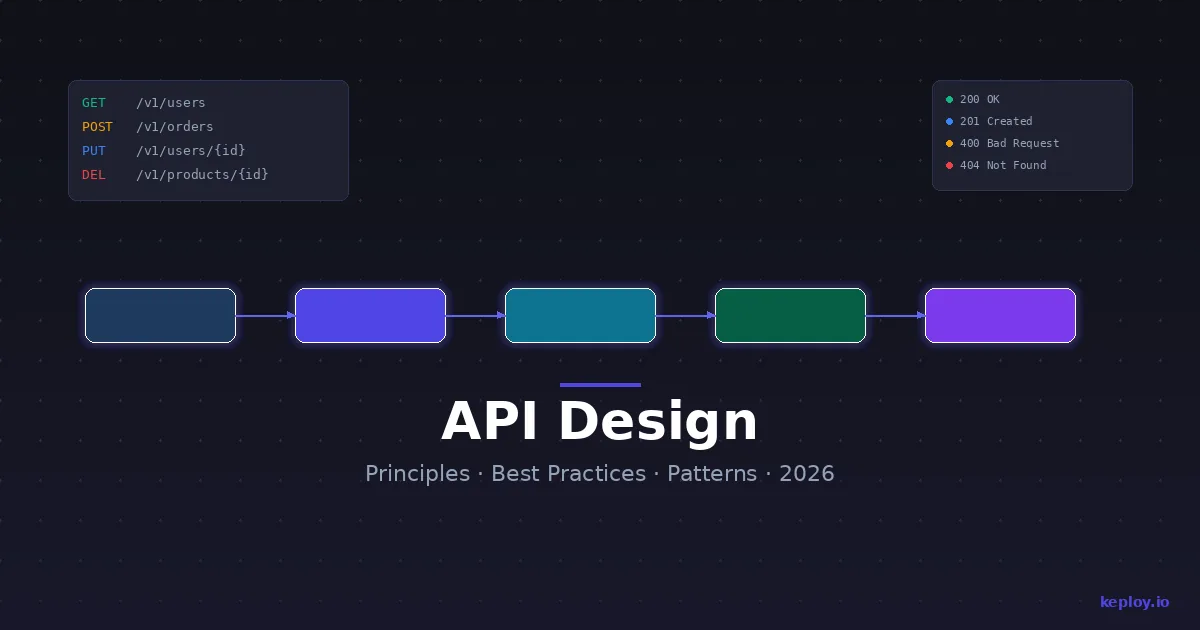
What changed things for me was actually sitting down and learning the core api design principles before starting a new project. Things like keeping resources noun-based, using HTTP methods correctly, returning meaningful status codes, keeping response structures shallow. Sounds basic but most teams skip this conversation entirely.
The one that made the biggest difference practically was writing the OpenAPI spec before writing any code. Forces you to think about the consumer first instead of just building what is convenient for the backend.
Anyone else gone back and refactored an API they built without these principles in mind? Curious how others approach this when joining an existing codebase that has no real design consistency.
keploy.io
What Is API Design? Principles, Best Practices & Patterns (2026)
Learn what API design is, its core principles, best practices, and step-by-step process with real examples and common mistakes to avoid in 2026.
Sorry, there were no replies found.
Log in to reply.